ChatGPT Ads Are Here: What the Future of AI Advertising Means for Your Business

Table of Contents
- 1. What OpenAI Actually Announced
- 2. Why This Is Different From Google Advertising
- 3. From "I Search" to "I Ask" — Why This Changes Customer Discovery
- 4. The Difference Between Keyword Intent and Conversational Intent
- 5. What This Means for Marketers Right Now
- 6. What Businesses Should Do Now
- 7. How Synexis Softech Can Help
- 8. Frequently Asked Questions
- 9. Have ChatGPT ads officially launched?
- 10. Which ChatGPT tiers show ads?
- 11. How are ChatGPT ads different from Google ads?
- 12. Can businesses in Nepal advertise on ChatGPT?
- 13. Do I need to run ChatGPT ads to benefit from AI-driven discovery?
- 14. What ad format does ChatGPT use?
- 15. How is AI search different from Google search?
- 16. What is Generative Engine Optimisation (GEO)?
For years, digital advertising meant one thing: getting your business in front of people who were searching on Google. In August 2026, that picture changed in a meaningful way. OpenAI began showing advertisements on ChatGPT's free and Go subscription tiers in India — the first confirmed rollout of commercial advertising within one of the world's most widely used AI platforms.
This is not a rumour or a future roadmap item. It is a confirmed development, reported by TechCrunch on August 27, 2026. And while the full mechanics of how these ads work, which advertisers are involved, and how they will expand are still becoming clear, the direction is now unmistakable: AI platforms are becoming advertising surfaces, and the rules of digital marketing are shifting again.
This article explains what actually happened, why it is significant, and what business owners and marketers need to understand before this shift reaches them directly.
What OpenAI Actually Announced
OpenAI began rolling out advertisements specifically on ChatGPT's free tier and Go subscription tier in India. The Go tier is a lower-cost subscription option positioned between the free tier and the full ChatGPT Plus plan. By introducing ads on these two tiers, OpenAI is following a model familiar from other consumer platforms — monetising the parts of the user base that are not paying premium subscription prices through advertising revenue instead.
This launch follows a clear corporate trajectory. In mid-2024, OpenAI hired Peter Naylor — a senior advertising executive with experience building ad products at Snap and Netflix — to lead the company's advertising development. At the time, OpenAI confirmed the hire and acknowledged advertising as a potential revenue stream alongside subscriptions and API access. The India launch in August 2026 is the first confirmed market deployment of that strategy.
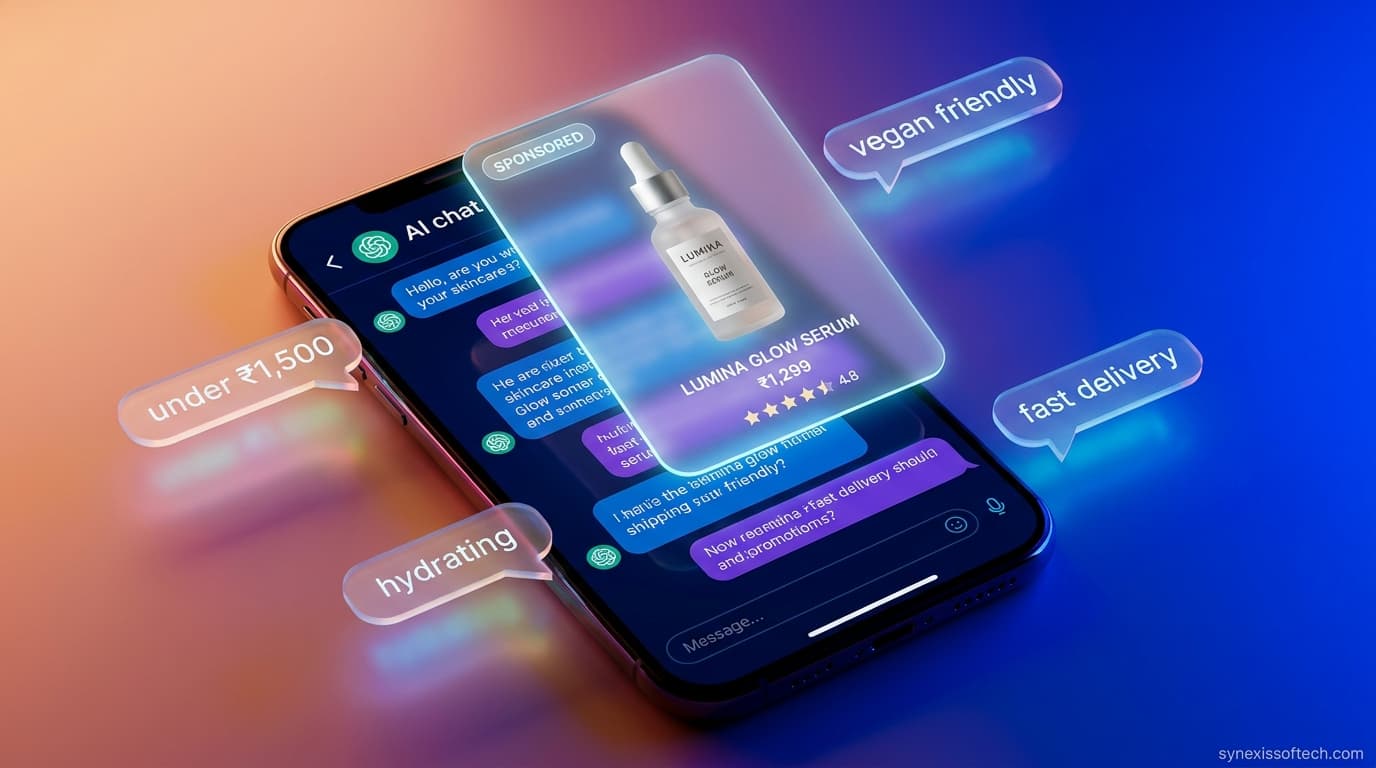
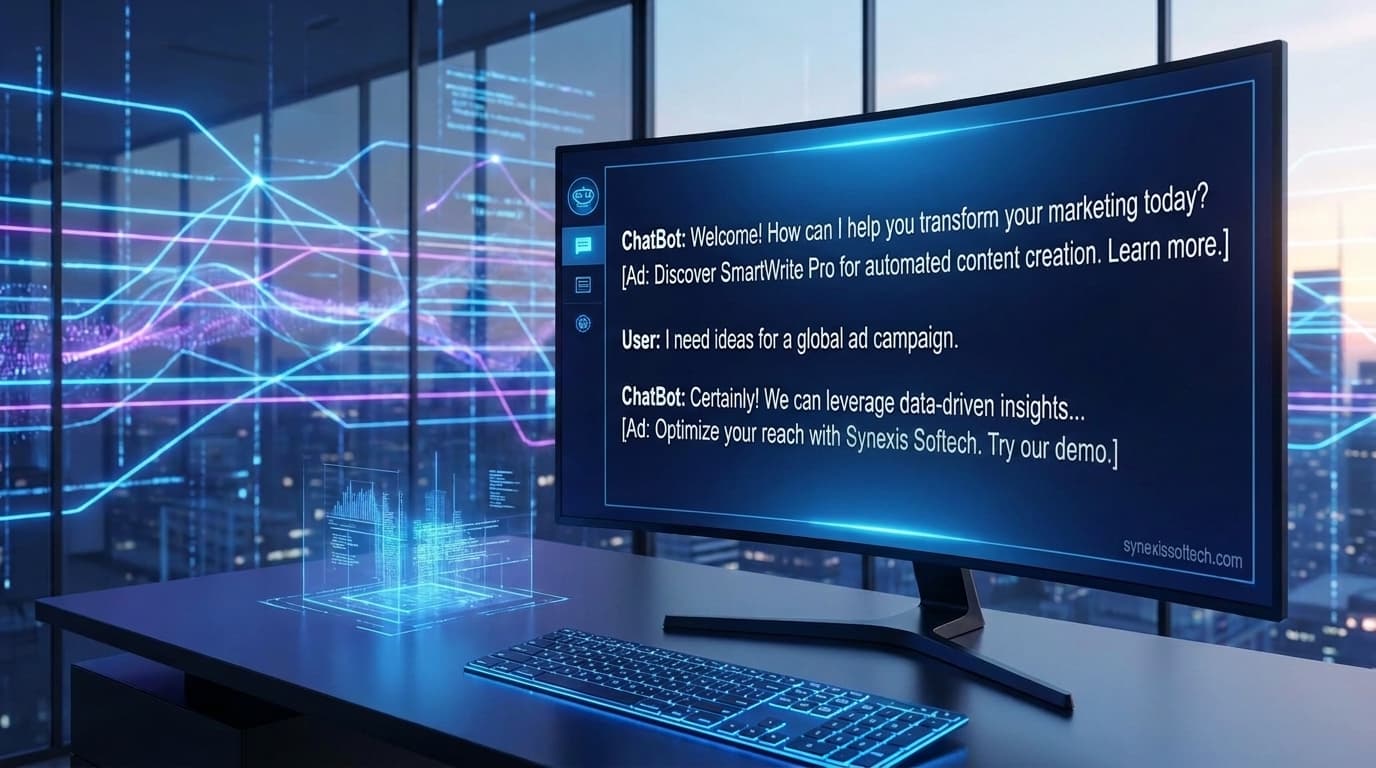
What is not yet fully detailed publicly: the exact ad format (whether ads appear as sponsored responses, clearly labeled placements, or another format), which specific advertisers are participating, and the precise timeline for expansion beyond India.
Why This Is Different From Google Advertising
To understand why ChatGPT advertising matters to businesses beyond just "another place to run ads," it helps to understand what makes the context fundamentally different.
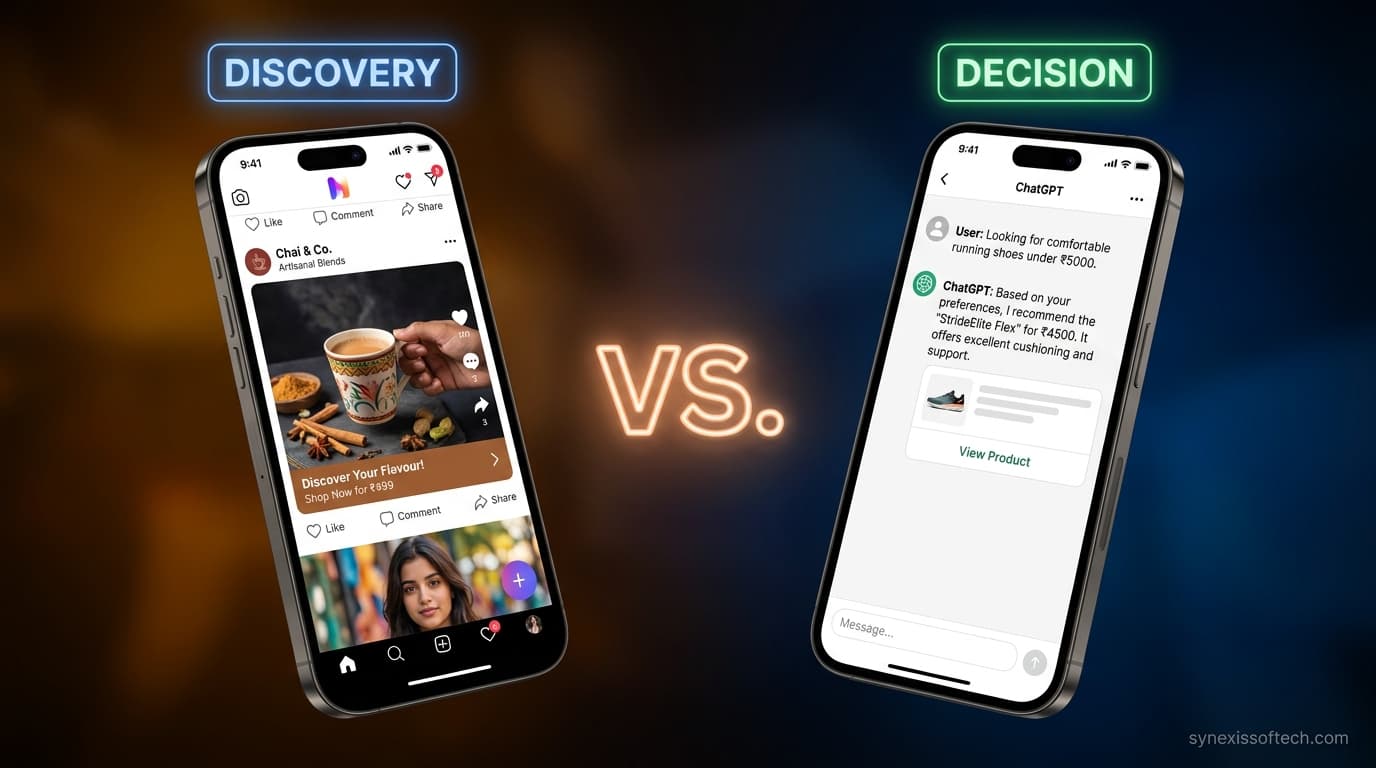
When a user searches Google, they type a query — typically a short phrase. "Running shoes under 5000 rupees." "Best hotel Pokhara." "Accountant near me." The search engine matches that phrase to indexed content and shows a results page. Advertising on that results page means your ad appears next to content that matches the keyword.
When a user asks ChatGPT something, the interaction is different in character. They describe a situation. They explain what they are trying to do. They ask for a recommendation, a comparison, an explanation. The intent is richer and the context is more complete. A user who types "I am planning a trip to Pokhara next month with my family, we want a hotel with a good lake view and breakfast included, our budget is moderate" has given an AI system far more information than a search query ever captures.
This richer context is what makes AI platform advertising potentially more precise — and potentially more valuable — than keyword-based search advertising. The signal is not a keyword. It is a conversation.
From "I Search" to "I Ask" — Why This Changes Customer Discovery
The customer journey that most businesses are built around looks something like this: a customer has a need, they search Google, they click a result or an ad, they evaluate options, and they buy. Search advertising inserts a business into that journey at the search stage.
AI-assisted discovery introduces a different path. A customer has a need, they ask an AI assistant, the AI provides a response that may include specific recommendations, the customer then evaluates those recommendations and visits a website or makes contact. The AI step happens before the search — it shapes which options the customer considers at all.
This is the structural shift that matters for businesses, regardless of whether they are running ads on ChatGPT or not. If an increasing share of product and service discovery happens through AI conversations — and the data suggests that AI tool usage among consumers is growing rapidly — then the businesses that AI systems can understand, trust, and recommend have an advantage that operates at the very top of the customer journey.
Advertising on ChatGPT is one mechanism for appearing in those AI conversations. But there are others, and many of them do not require any ad spend.
The Difference Between Keyword Intent and Conversational Intent
This distinction is worth understanding precisely because it affects how businesses need to think about their content, their product information, and their brand presence.
A keyword search — "cheap flights Kathmandu to Bangkok" — tells a search engine the category and a price signal. It gives the advertiser a relatively narrow targeting hook. An AI conversation — "I want to visit Bangkok from Kathmandu in October, what is the best way to book flights and is it worth going via a layover city?" — tells an AI system the category, the timing, the level of knowledge the user has, what they are actually trying to optimise for, and what additional information would be useful.
Advertising that appears within that second context needs to be relevant to the full intent, not just the keyword category. A poorly matched ad in a keyword search is ignored. A poorly matched response in an AI conversation is noticed — and potentially damages the user's trust in both the AI system and the brand.
This means the standard for relevance in AI advertising is higher than in traditional search advertising. Businesses that benefit most from AI advertising placements will be those whose products or services genuinely match the intent of the conversations where those placements appear.
What This Means for Marketers Right Now
The India launch of ChatGPT ads is the beginning of a shift, not the end state. For marketers watching this develop, a few things are becoming clear.
Brand visibility in AI is increasingly structured around content quality. Whether you are appearing through paid placement or organic AI recommendation, the underlying factor is whether the AI system has enough clear, accurate, well-structured information about your business to include you in a relevant response. Businesses that have invested in content that answers real customer questions clearly are better positioned for both paid and organic AI visibility.
Product and service data needs to be precise and accessible. AI systems that include product recommendations need accurate product information — pricing, availability, specifications, reviews. Businesses with incomplete or outdated product data are disadvantaged in AI-assisted discovery regardless of whether they are advertising.
Reputation signals matter differently in AI context. Traditional search advertising can compensate for a weak organic presence through bid strategy. AI systems that are generating recommendations tend to weight trust signals — reviews, consistent business information, authoritative content — heavily. Building genuine reputation infrastructure is not separable from AI advertising readiness.
First-party data and customer relationships become more important. As AI-assisted discovery grows, the ability to retain customers through owned channels — email, WhatsApp, direct relationships — becomes the business model defence against dependency on any single platform's algorithm or advertising system.
What Businesses Should Do Now
The practical preparation for an AI advertising era is not fundamentally different from the preparation for strong digital visibility generally — but it has specific emphases.
Ensure your business information is accurate and consistent everywhere it appears — your website, Google Business Profile, social media, and any directory listings. AI systems that surface business recommendations pull from these sources. Inconsistent information creates confusion and reduces the likelihood of accurate representation.
Build content that answers the questions your customers are actually asking. Not content optimised for keyword density, but content that provides a clear, useful answer to a specific question a real customer would ask an AI assistant about your category. This is both good content strategy and good AI visibility strategy.
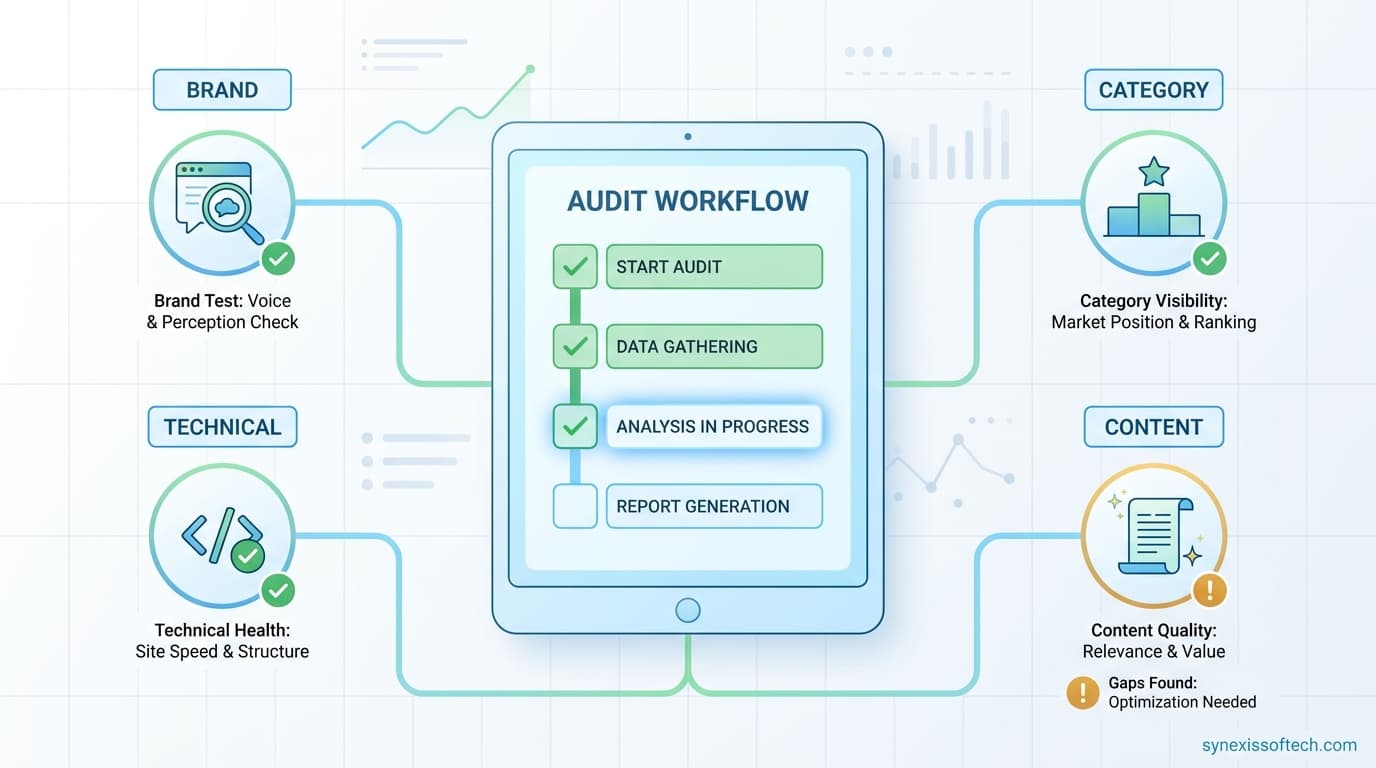
Monitor how AI tools currently represent your business. Ask ChatGPT, Gemini, and Perplexity about your product category and see whether your business appears, and if so, how it is described. The gap between how AI currently represents your business and how you want it to be represented is the content and information gap to close.
How Synexis Softech Can Help
Synexis Softech works with businesses across Nepal, India, and internationally on AI strategy, digital marketing systems, and AI-powered automation. As AI advertising platforms develop and AI-driven customer discovery becomes a larger part of how businesses are found, the foundation that matters most is the same across all of them: accurate business information, quality content, strong conversion infrastructure, and AI-readable digital presence.
If your business is preparing for an AI-first digital environment, talk to Synexis Softech about assessing your current digital stack and identifying practical opportunities for AI readiness and automation.
Frequently Asked Questions
Have ChatGPT ads officially launched?
Yes. OpenAI began showing advertisements on ChatGPT's free and Go subscription tiers in India in August 2026, as reported by TechCrunch on August 27, 2026. This is the first confirmed market deployment of advertising on ChatGPT.
Which ChatGPT tiers show ads?
The confirmed rollout covers ChatGPT's free tier and Go tier in India. The Plus and Pro subscription tiers are positioned as premium options and have not been confirmed to include advertising at this stage.
How are ChatGPT ads different from Google ads?
Google ads are matched to keyword searches — short query phrases. ChatGPT ads appear within conversational AI interactions, where users describe fuller intent and context. The targeting signal is richer, and the relevance standard for a well-performing placement is correspondingly higher.
Can businesses in Nepal advertise on ChatGPT?
As of August 2026, the confirmed launch is India-specific. Whether and when the advertising platform will expand to Nepal has not been officially announced by OpenAI.
Do I need to run ChatGPT ads to benefit from AI-driven discovery?
No. AI systems recommend businesses through organic processes based on the quality of available information, content relevance, and trust signals — independently of paid advertising. Building strong AI visibility through content and information quality is valuable regardless of whether you advertise on AI platforms.
What ad format does ChatGPT use?
The specific ad format — how ads visually appear within ChatGPT conversations — has not been fully detailed in public announcements as of the launch. The confirmed information is that ads are appearing on free and Go tiers in India.
How is AI search different from Google search?
Google search returns a list of indexed pages ranked by relevance and authority. AI search generates a synthesised response to a question, drawing on multiple sources, and may include specific recommendations, comparisons, or direct answers rather than a list of links. The customer journey differs: AI search often happens before Google search, shaping which options a customer considers.
What is Generative Engine Optimisation (GEO)?
Generative Engine Optimisation is the practice of structuring a business's digital presence — content, information architecture, schema markup, and factual accuracy — so that AI systems like ChatGPT, Gemini, and Perplexity are more likely to accurately represent and recommend the business when users ask relevant questions.
Need help with implementation? Synexis Softech provides robust custom website development services to help scale your business.
Synexis Softech Team
Marketing Manager
Our team of experienced engineers and digital strategists at Synexis Softech specializes in building production-ready AI solutions, high-performance web applications, and data-driven marketing campaigns. Based in Pokhara, Nepal, we partner with growing businesses globally to turn complex technical challenges into competitive advantages.
Ready to grow your business with technology?
Let's build a practical digital solution for your business.
Talk to Our Team